Educational overviews of neurological and psychiatric conditions, and the brain regions involved in each. Not a substitute for professional medical advice.
Neurodegenerative Diseases
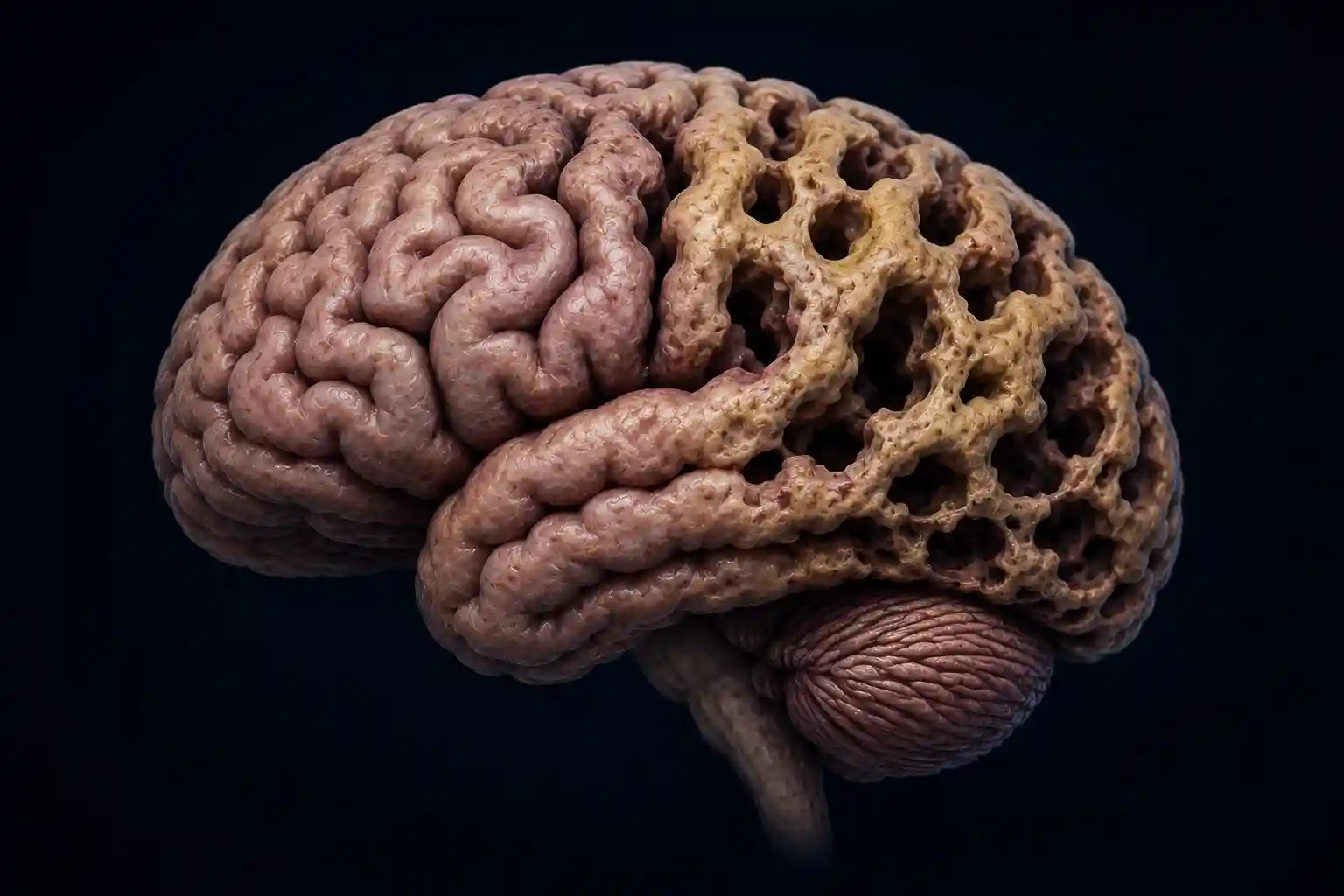
In these diseases, specific groups of neurons gradually stop working and die, often linked to abnormal proteins building up in or around them. Where that loss begins largely decides the first symptoms - memory in Alzheimer's, movement in Parkinson's and Huntington's.
Neurodegenerative Disease
Alzheimer's Disease
A progressive neurodegenerative disease and the most common cause of dementia, marked by early memory loss and the gradual buildup of abnormal proteins in the brain.
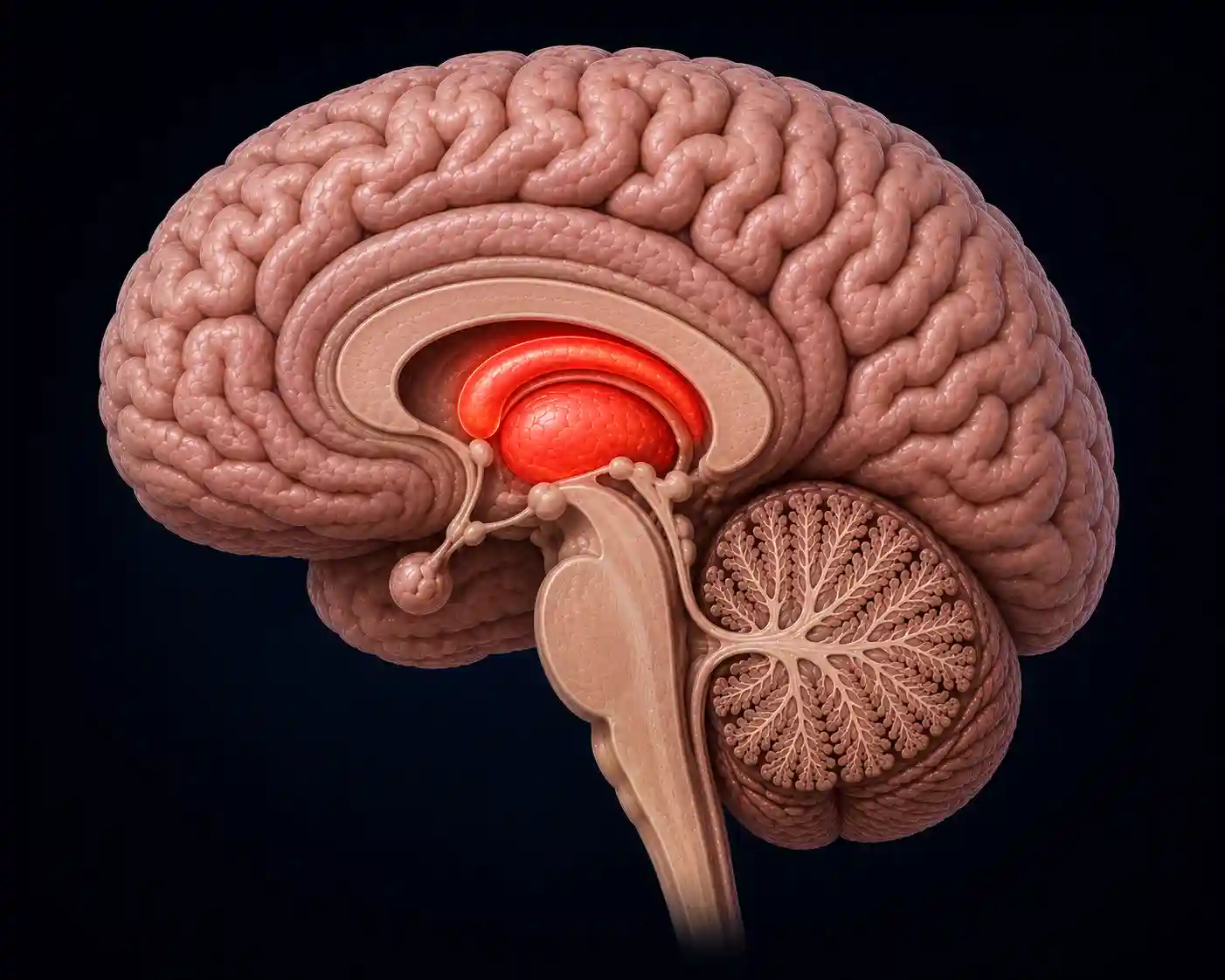
An inherited neurodegenerative disorder caused by a single faulty gene, leading to progressive breakdown of neurons in the basal ganglia and producing involuntary movements, cognitive decline, and psychiatric symptoms.
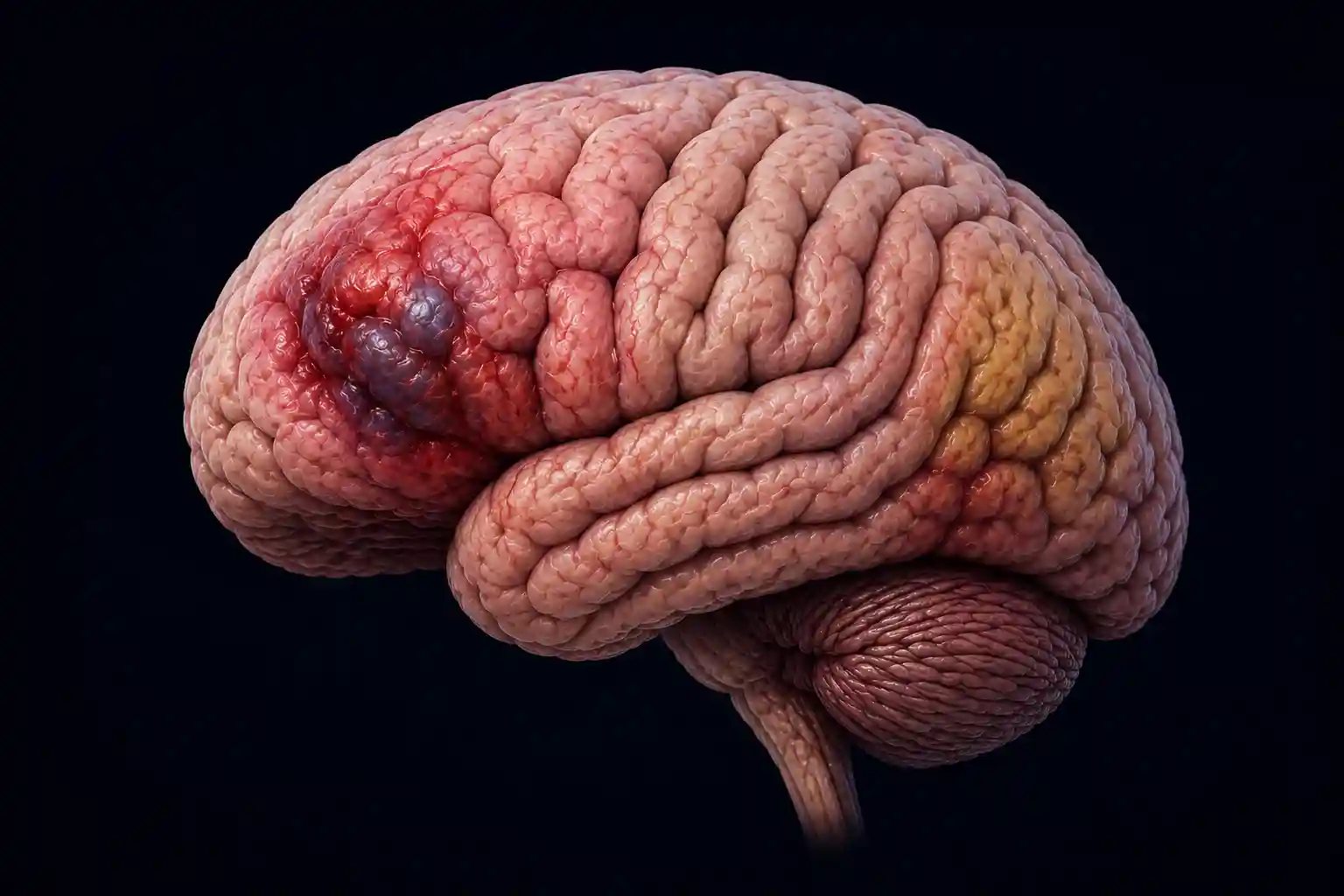
Damage from an interrupted blood supply or a blow to the head affects whichever regions are hit, which is why no two strokes or injuries look exactly alike. Both are emergencies where fast treatment can limit lasting harm.
Cerebrovascular
Stroke & Aphasia
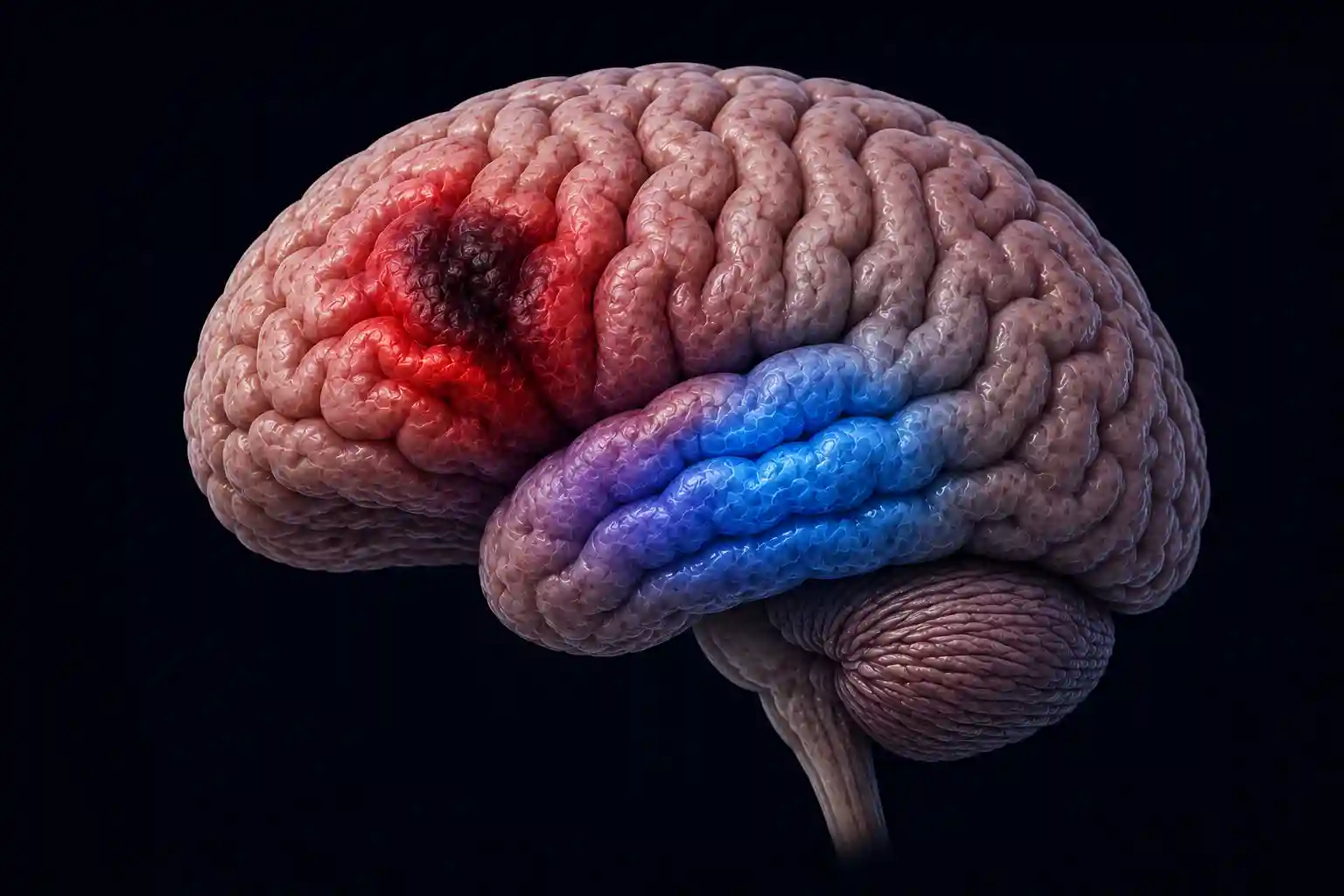
Stroke occurs when blood supply to part of the brain is interrupted; when it damages language centres, it can cause aphasia - difficulty producing or understanding language.
Damage to the brain caused by an external force - such as a blow, jolt, or penetrating injury - ranging from mild concussion to severe, life-altering injury.
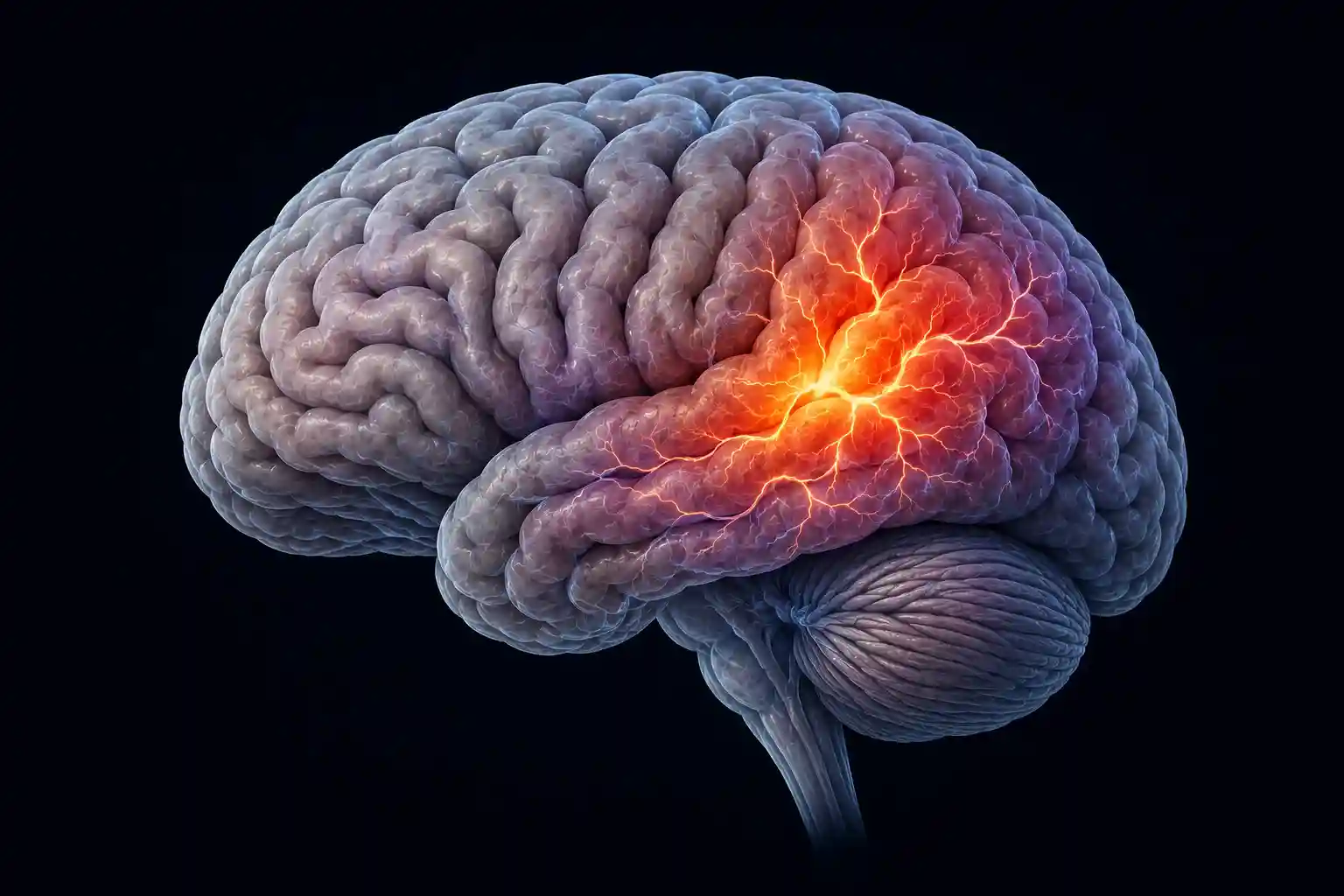
These neurological conditions affect how brain cells signal and communicate - through bursts of abnormal electrical activity, waves of altered activity across the cortex, damaged insulation around nerve fibres, or disrupted fine-tuning of movement.
Seizure Disorder
Epilepsy
A neurological condition characterised by a tendency toward recurrent, unprovoked seizures caused by abnormal, excessive electrical activity in the brain.
A neurological condition causing recurrent, often severe headaches, frequently accompanied by nausea and sensitivity to light or sound, and in some cases preceded by visual or sensory 'aura' symptoms.
A chronic autoimmune condition in which the immune system attacks myelin, the insulating sheath around nerve fibres in the brain and spinal cord, disrupting communication between the brain and the rest of the body.
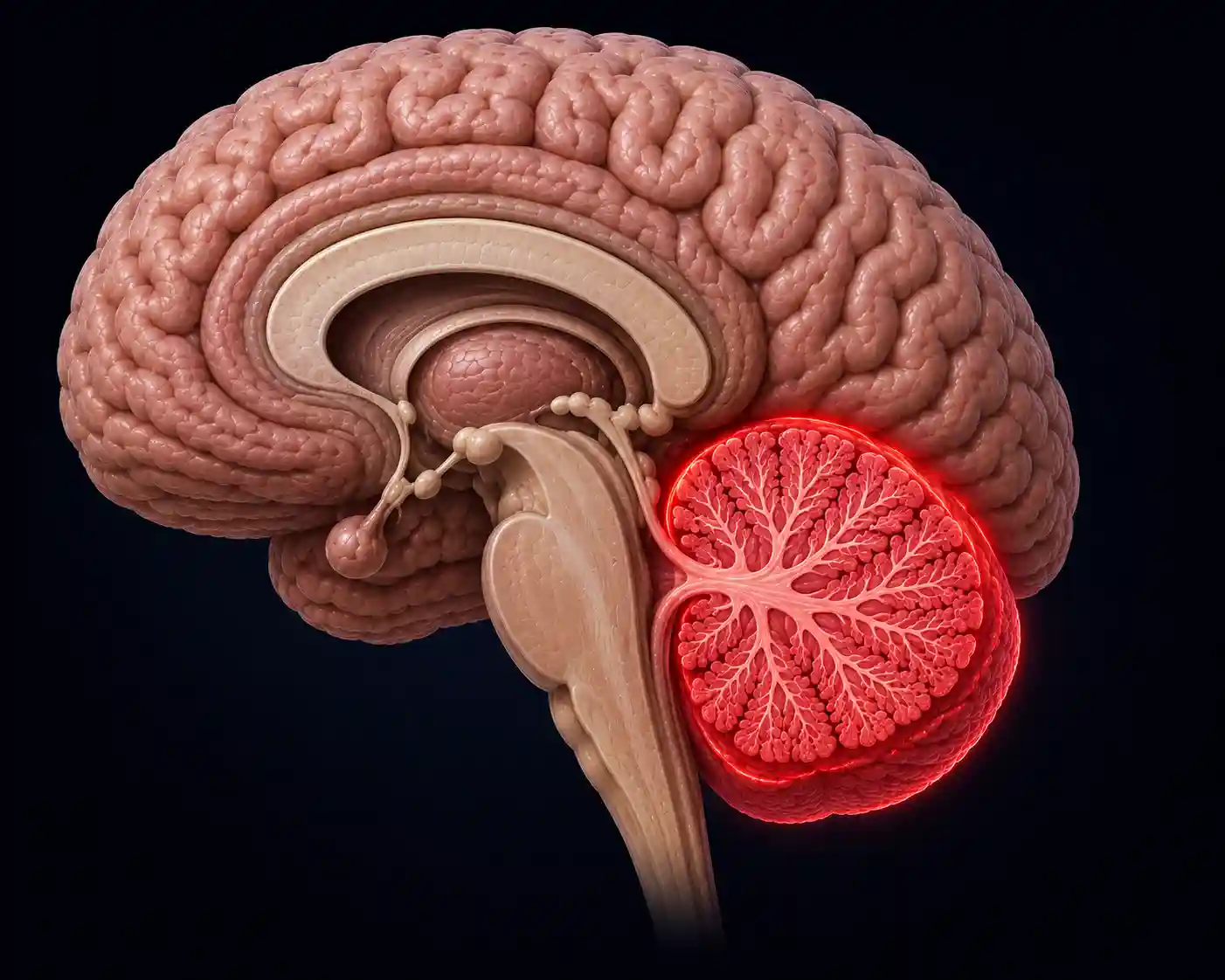
A group of disorders causing uncoordinated, unsteady movement due to cerebellar dysfunction, with causes ranging from genetic disease to alcohol-related damage or stroke.
Some of neuroscience's most important discoveries came from people with very specific damage: losing the ability to form new memories, or having the two hemispheres disconnected. These conditions show how different brain systems divide up the work.
Memory Disorder
Amnesia
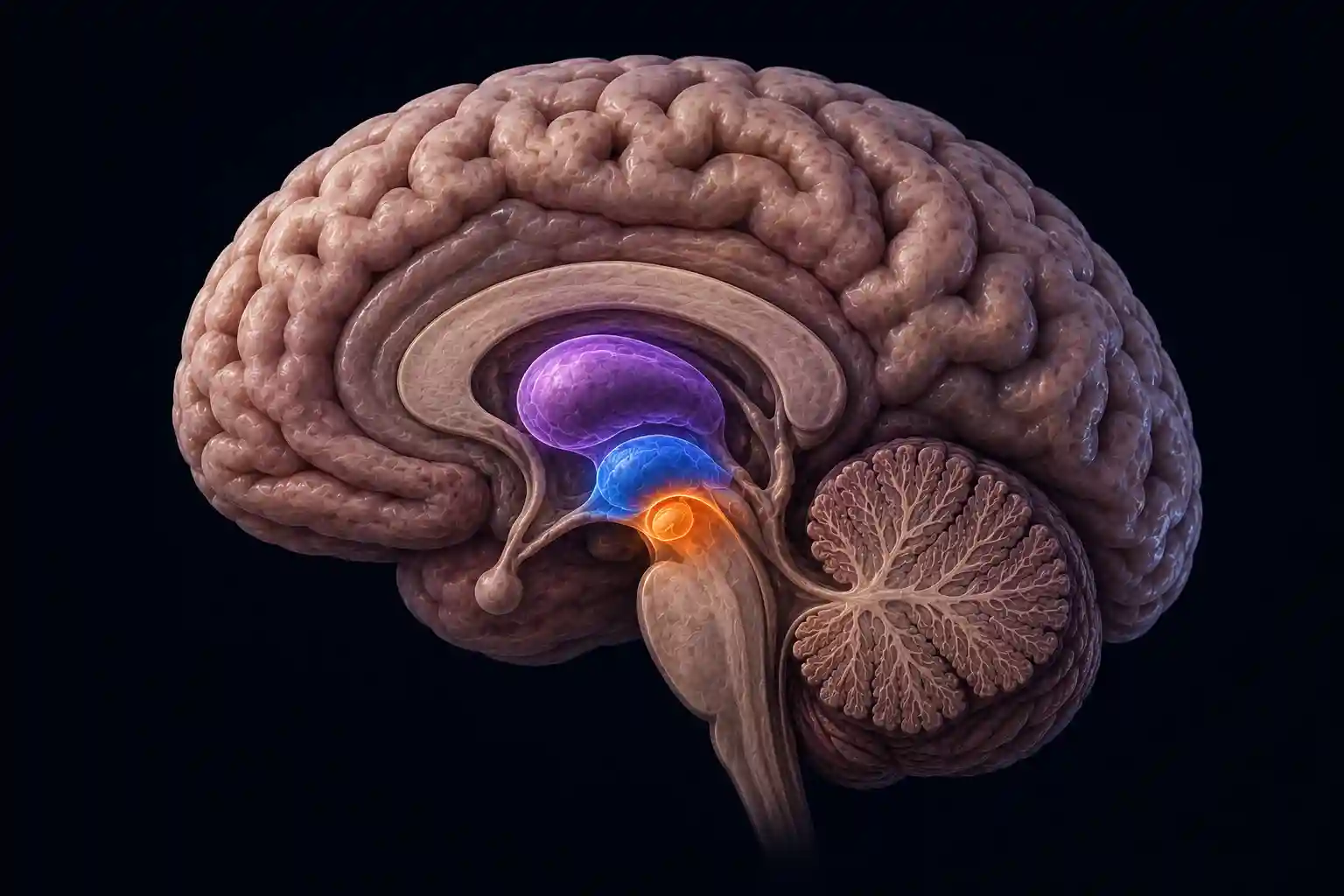
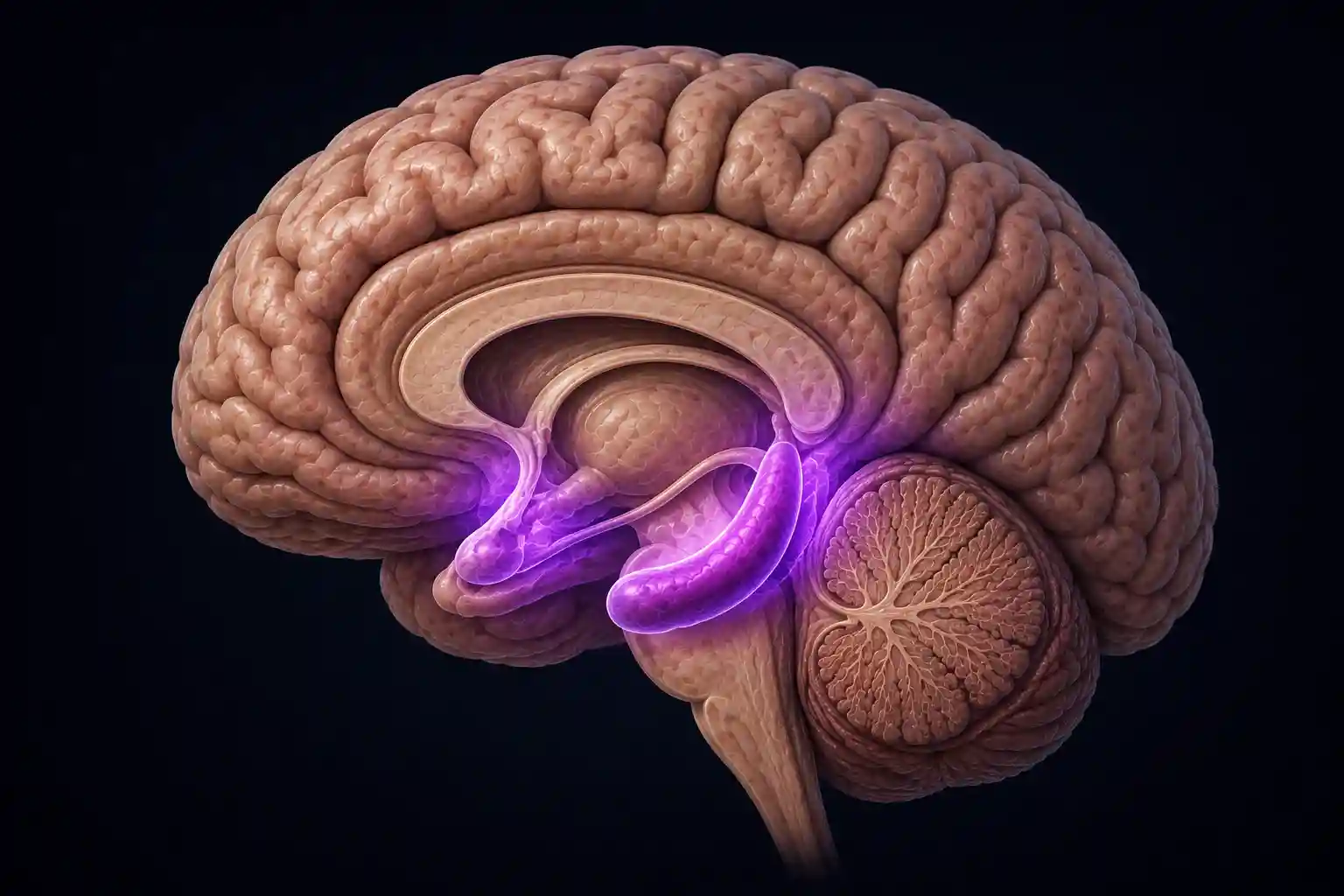
A memory disorder involving the inability to recall past information (retrograde) or form new memories (anterograde), most often caused by damage to the hippocampus or thalamus.
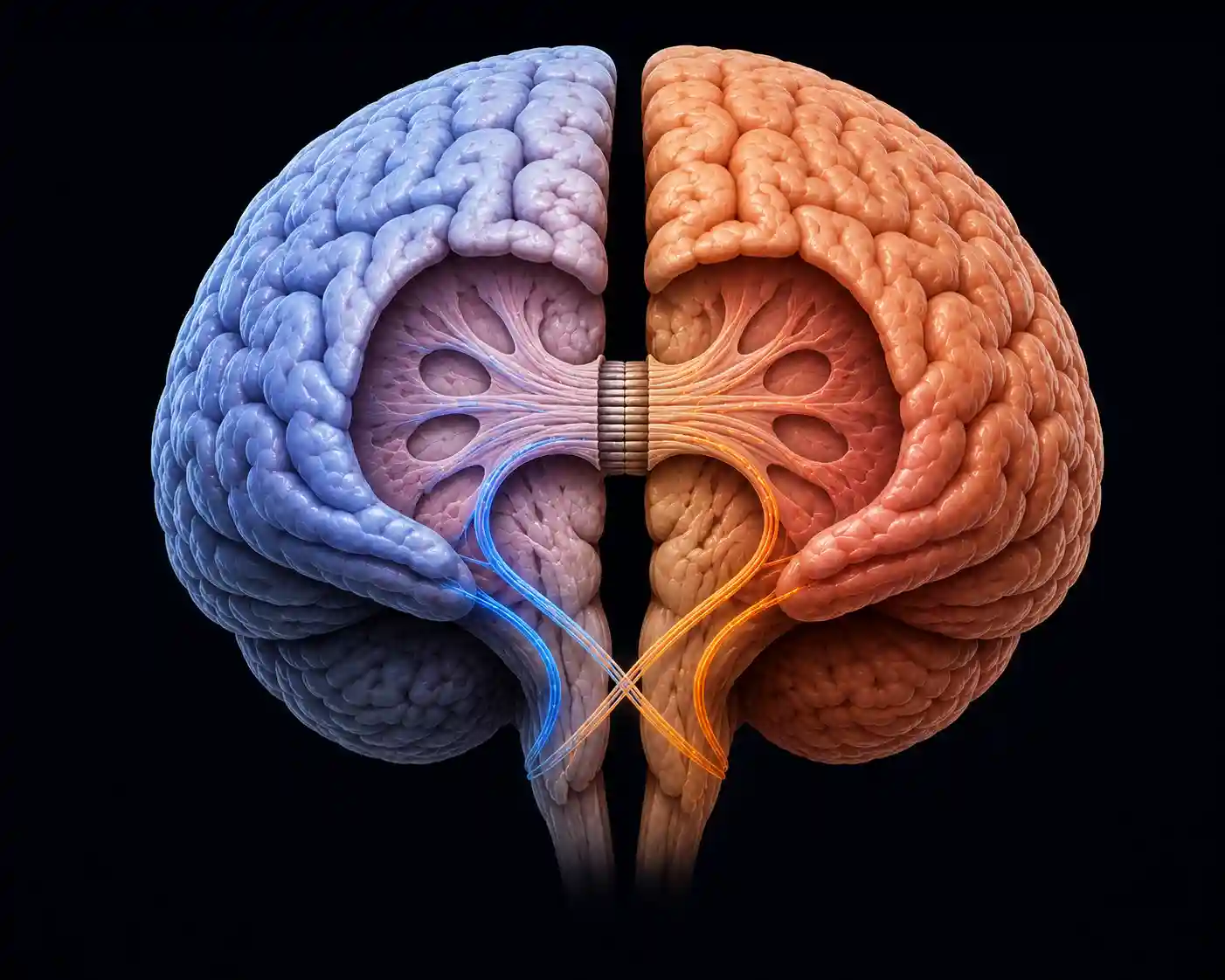
A set of unusual symptoms that can occur when the corpus callosum is severed or absent, causing the brain's two hemispheres to process information with reduced coordination.
These conditions reflect differences in how the brain develops and connects from early childhood. They are lifelong ways of processing the world rather than damage or illness, and they bring strengths as well as challenges.
Neurodevelopmental
ADHD
Attention-deficit/hyperactivity disorder is a neurodevelopmental condition involving persistent patterns of inattention, hyperactivity, and/or impulsivity that affect daily functioning.
A neurodevelopmental condition involving differences in social communication, sensory processing, and patterns of interest or behaviour, present from early childhood and varying widely in presentation and support needs.
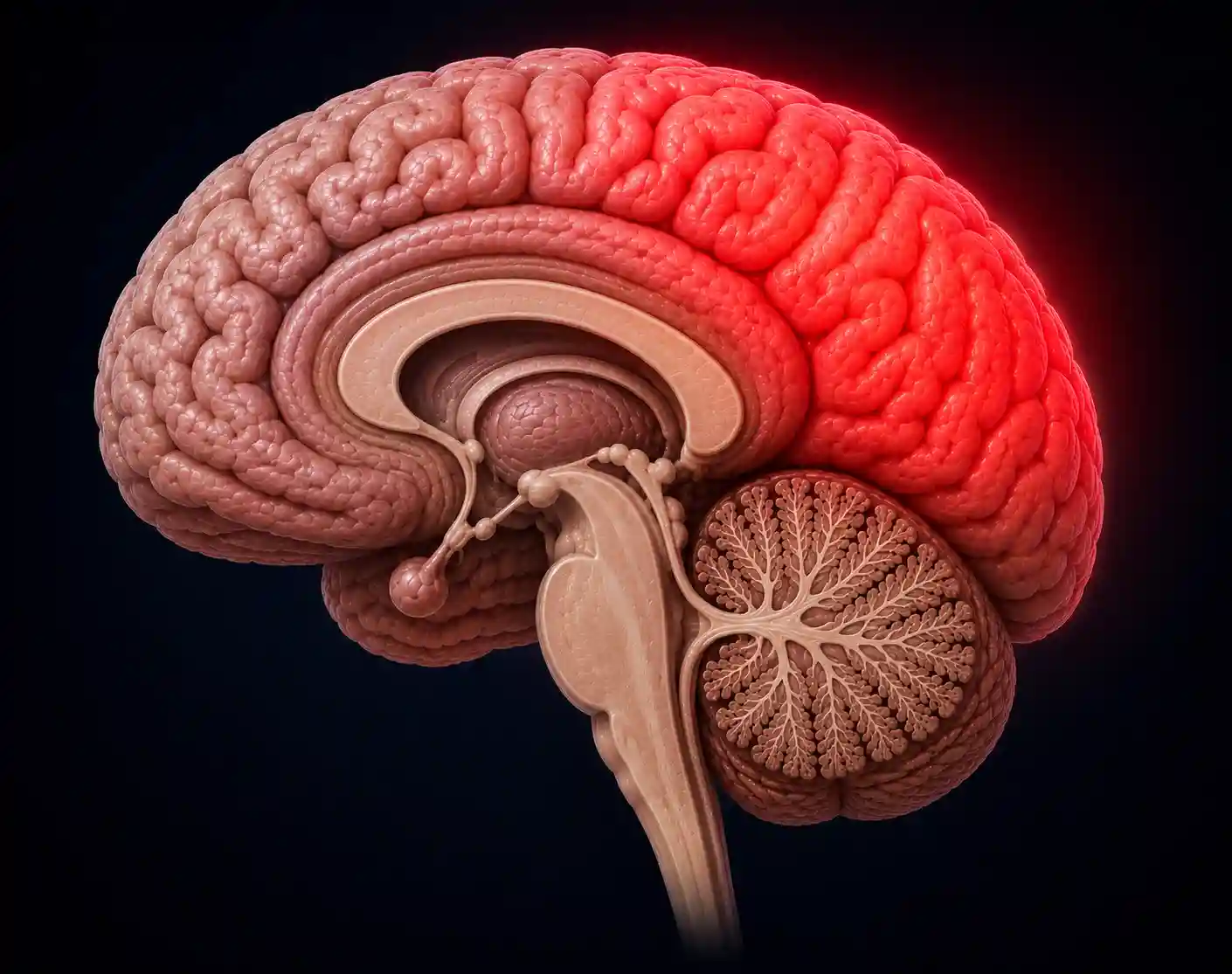
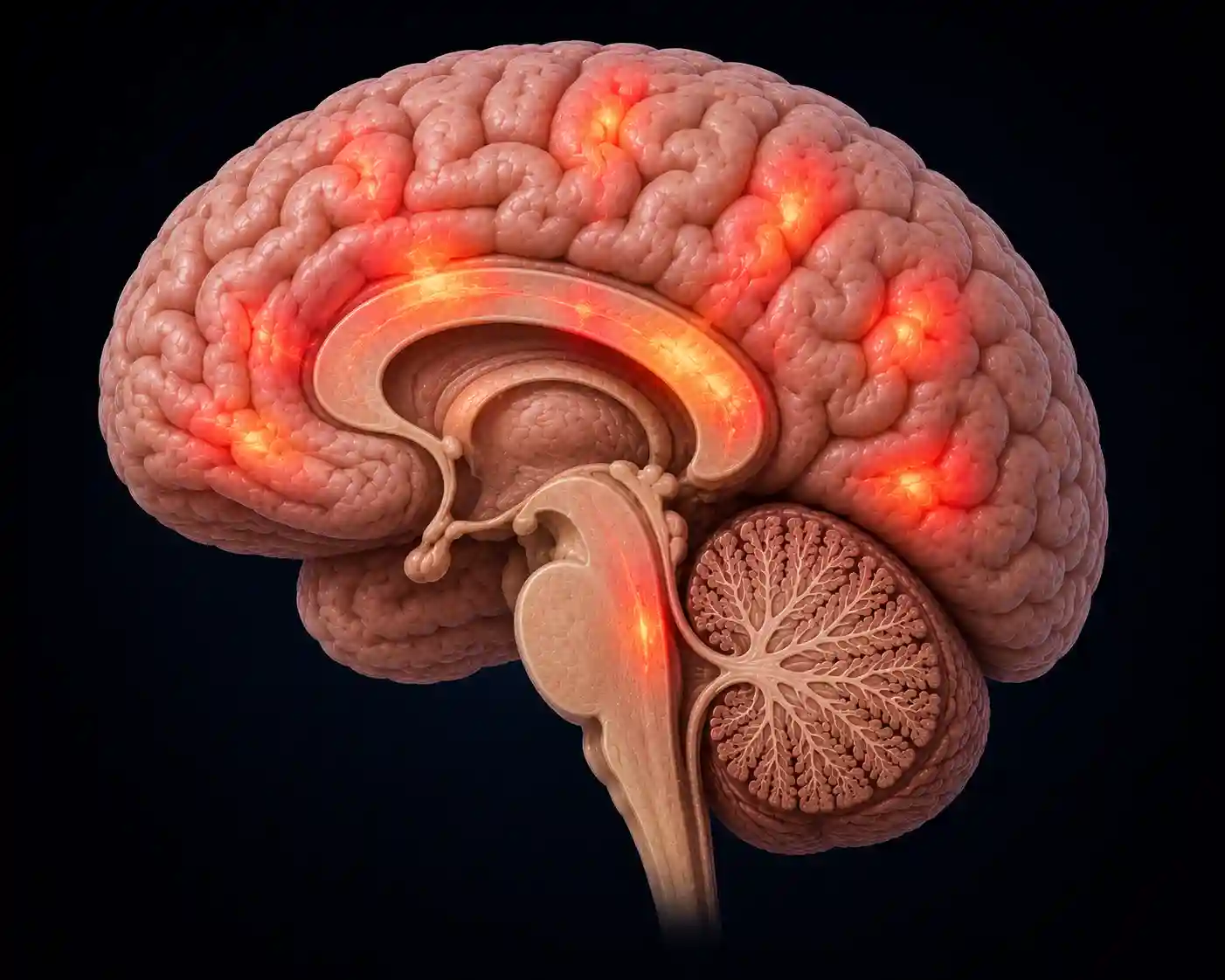
Mood, anxiety, and psychotic disorders involve changes in how networks of regions communicate - especially circuits linking emotion, motivation, and self-control - rather than damage to any one area. All are common, real health conditions, and all are treatable.
Mood Disorder
Depression
Major depressive disorder is a common mood disorder involving persistent sadness or loss of interest, associated with altered activity across several interconnected brain regions.
A group of conditions characterised by excessive, persistent fear or worry that interferes with daily life, involving heightened activity in the brain's threat-detection and stress-response circuits.
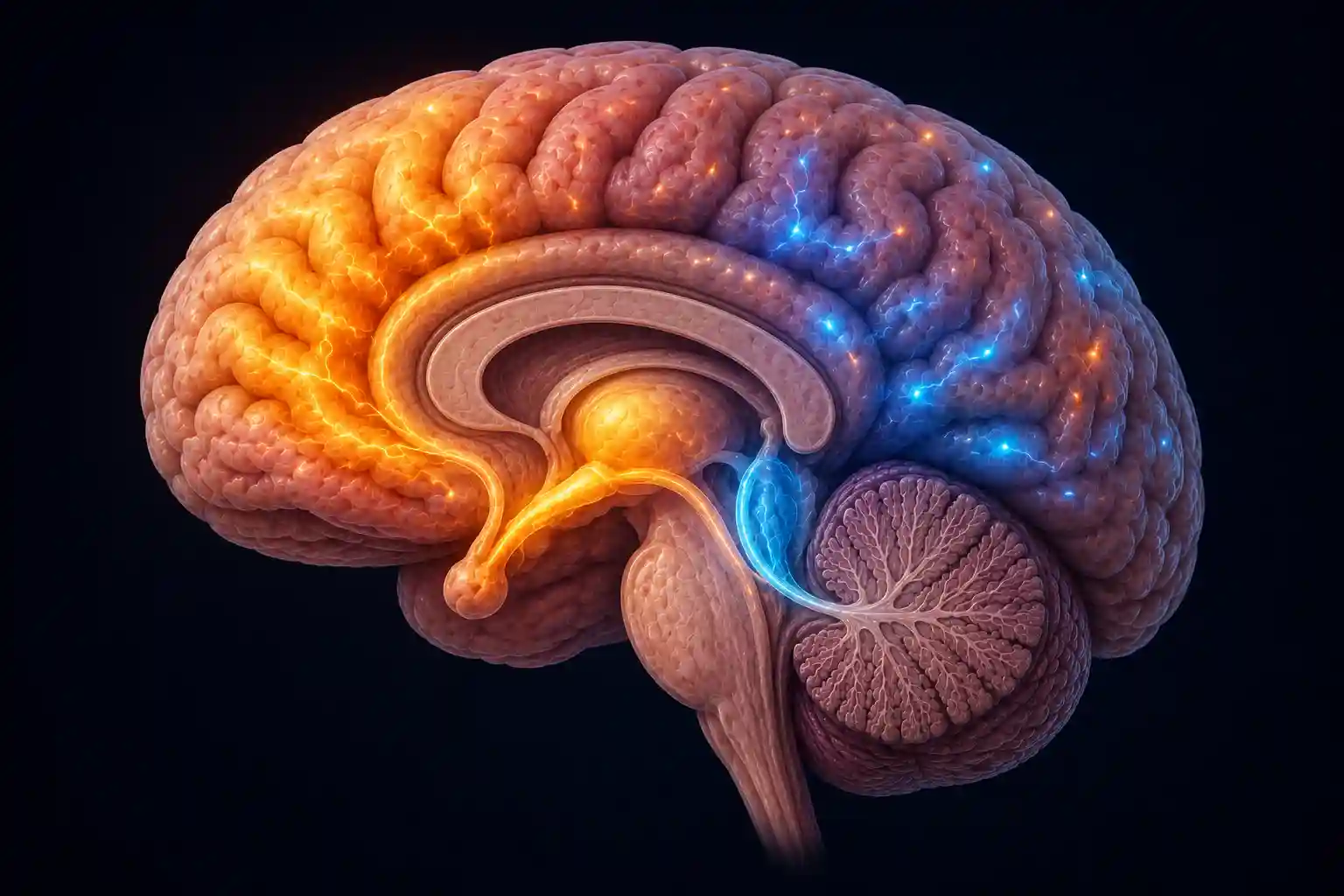
A complex psychiatric condition involving disruptions in thinking, perception, and motivation, most commonly emerging in late adolescence or early adulthood and involving altered activity across widespread brain networks.