Brain Regions

In-depth articles on the anatomy, function, and associated conditions of every major structure in the NeuroMap atlas.

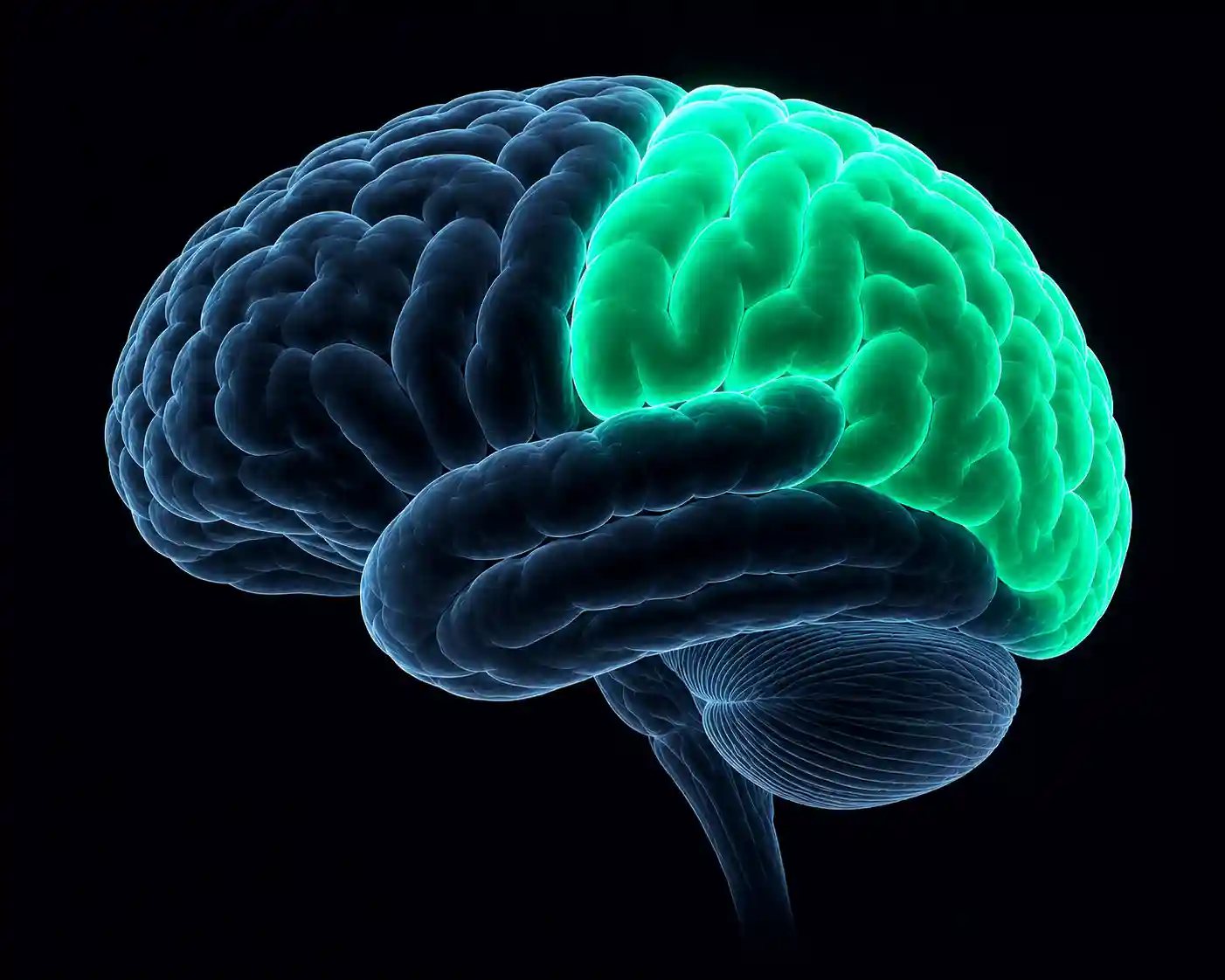
Frontal Lobe
Cerebral Cortex
Frontal Lobe
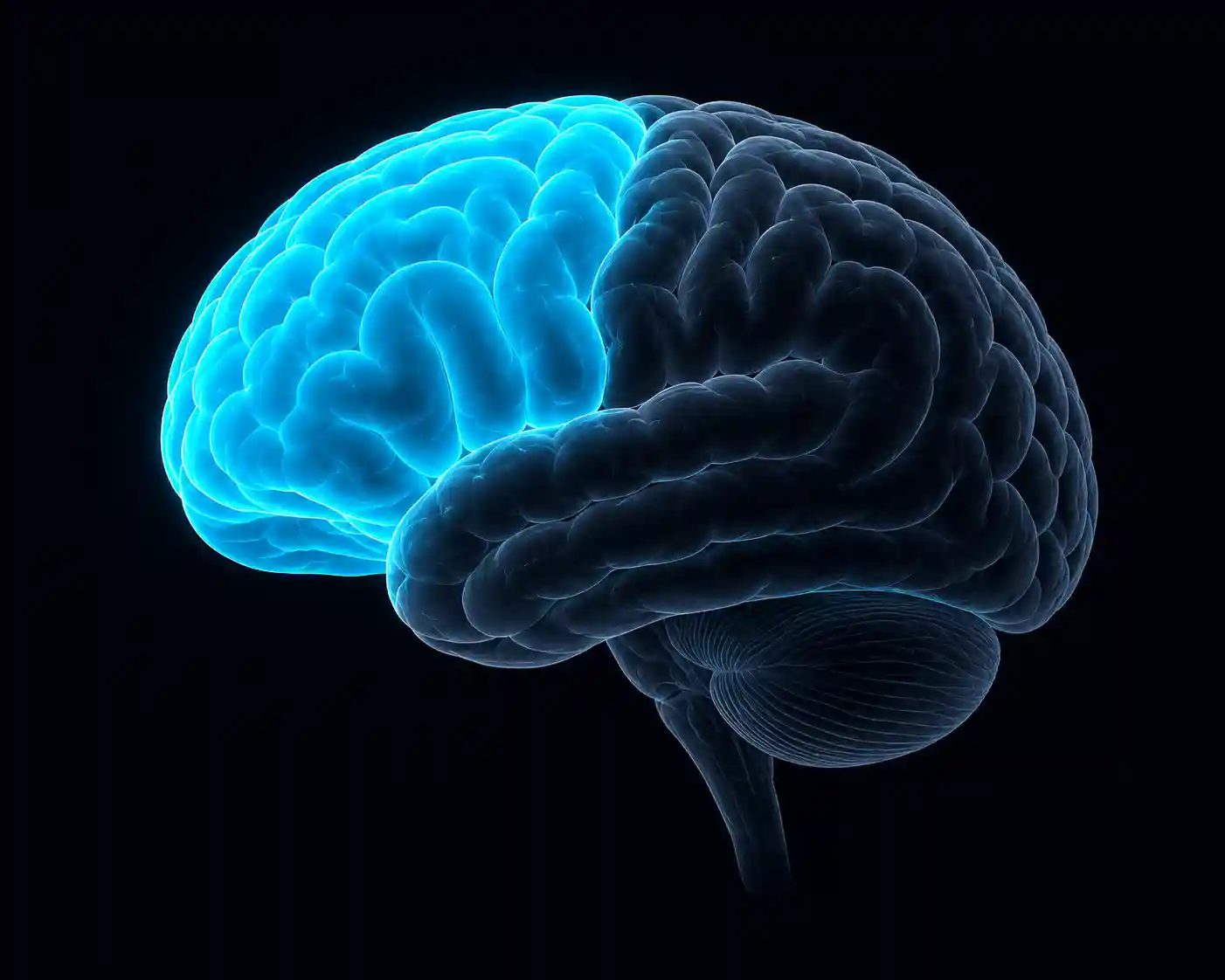
The frontal lobe is the largest lobe of the brain and is responsible for some of our most distinctly human capabilities. It governs complex thought, decision-making, personality expression, and voluntary movement. The prefrontal cortex - its foremost region - plays a central role in executive function and social behaviour.
Read full article →
Parietal Lobe
Cerebral Cortex
Parietal Lobe
Located behind the frontal lobe, the parietal lobe integrates sensory information from various parts of the body. It plays a key role in processing touch, pressure, temperature, and pain, as well as spatial awareness and navigation. It also assists in language and mathematical reasoning.
Read full article →
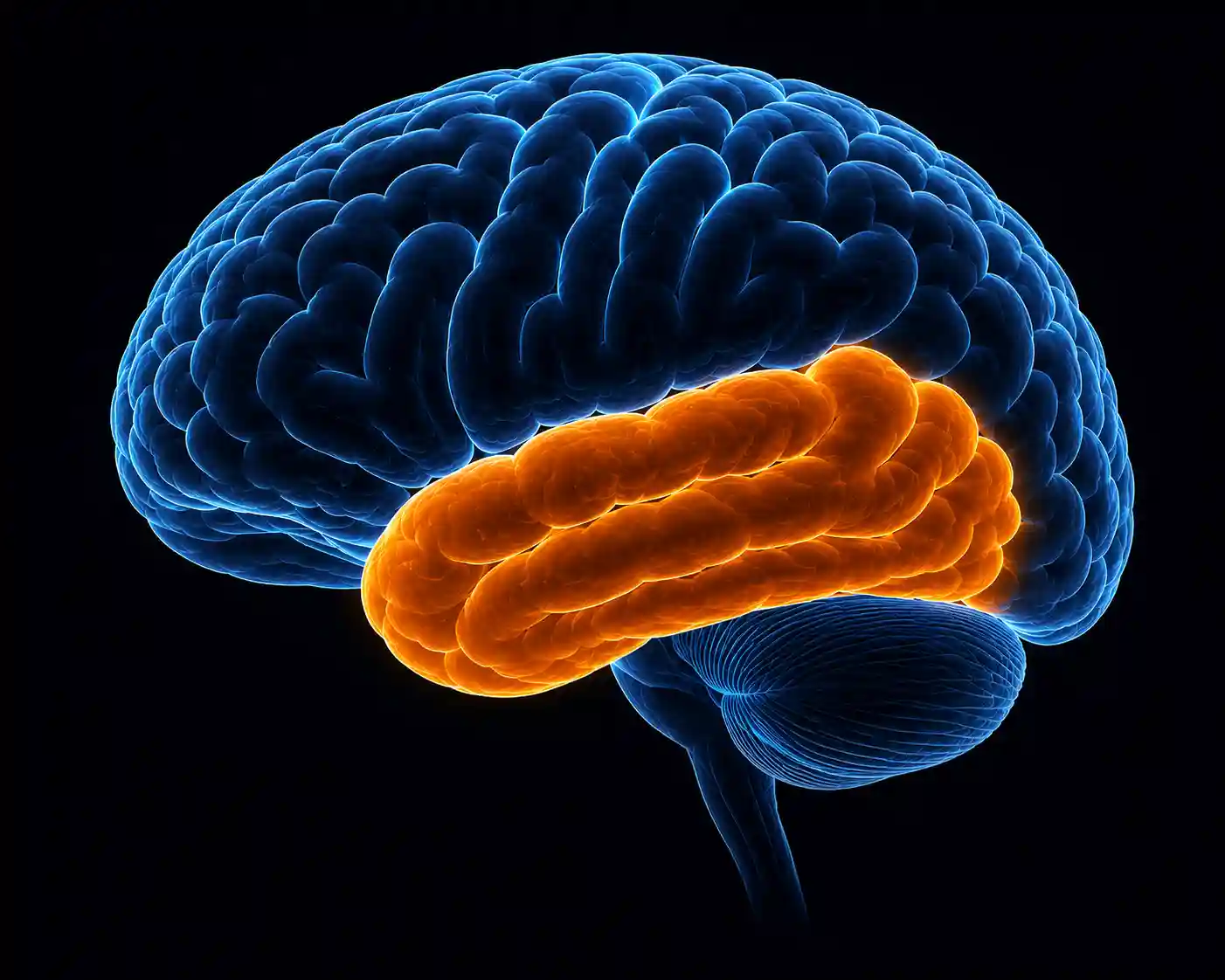
Temporal Lobe
Cerebral Cortex
Temporal Lobe
The temporal lobes run along the sides of the brain and are primarily responsible for processing auditory information and encoding memory. They house the primary auditory cortex and Wernicke's area, which is critical for language comprehension.
Read full article →
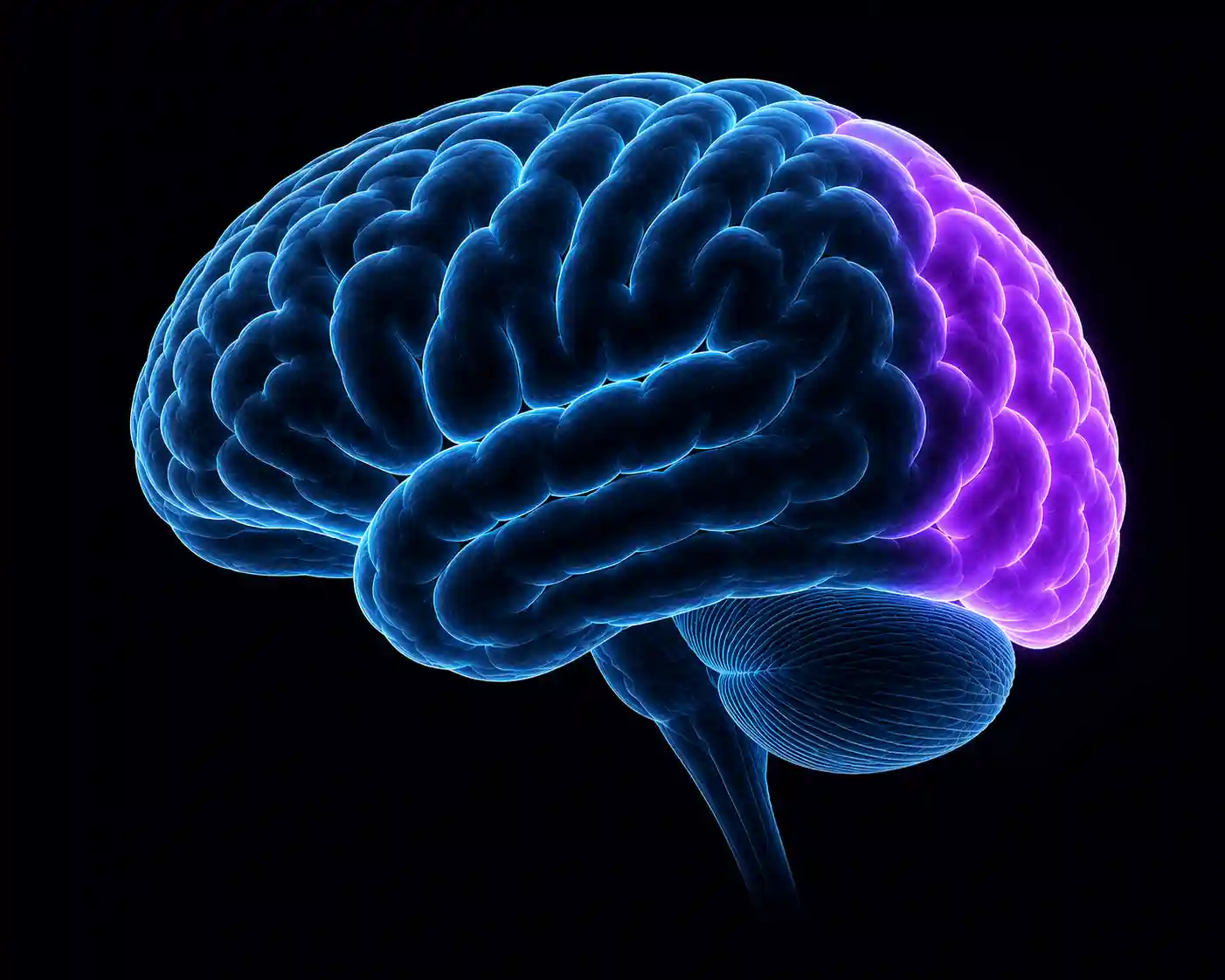
Occipital Lobe
Cerebral Cortex
Occipital Lobe
Sitting at the rear of the cerebral cortex, the occipital lobe is the brain's primary visual processing centre. It receives and interprets visual signals from the retinas, enabling us to recognise objects, colours, motion, and spatial relationships.
Read full article →
Cerebellum
Hindbrain
Cerebellum
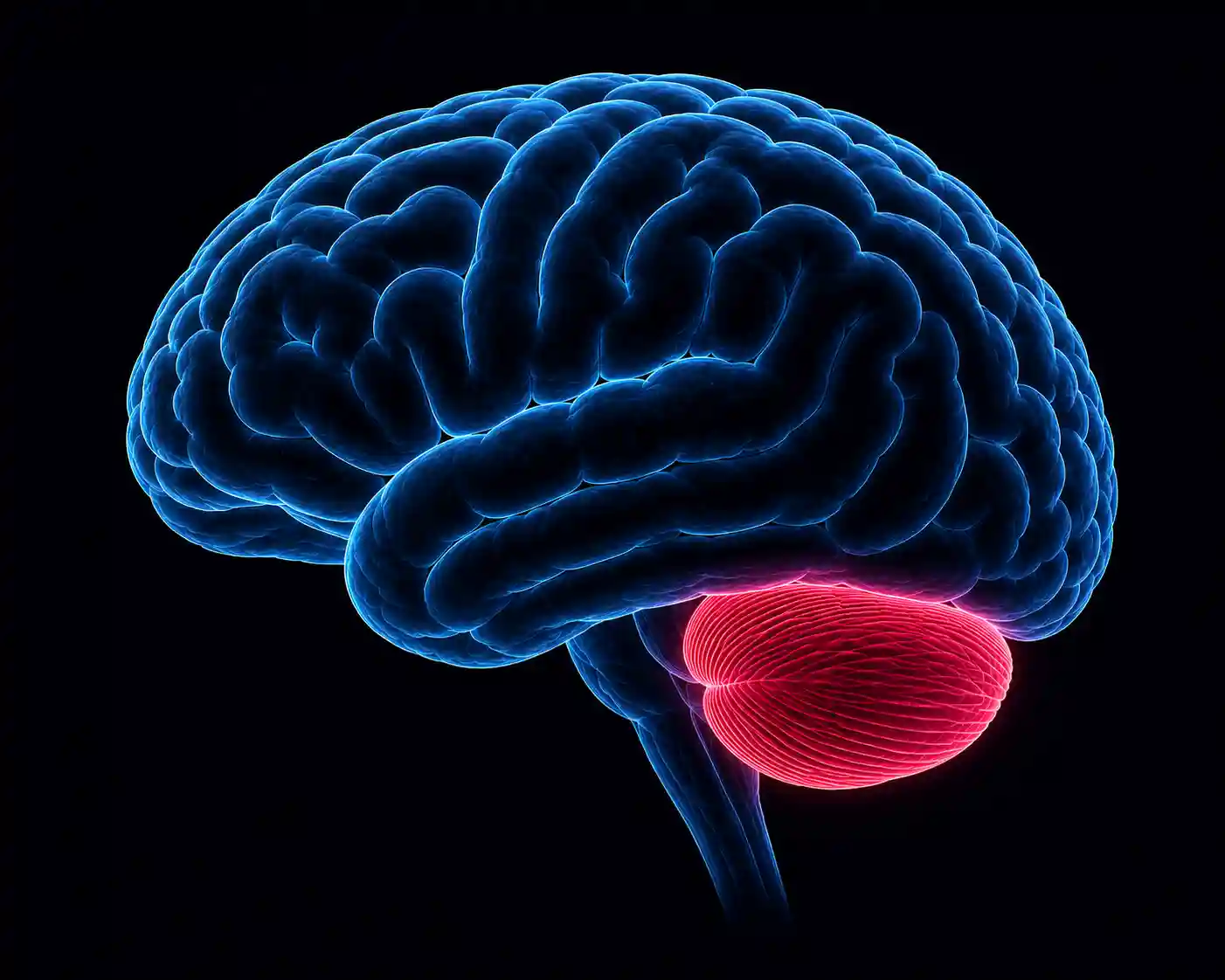
Often called the 'little brain', the cerebellum sits at the back and bottom of the brain. Despite making up only about 10% of total brain volume, it contains over half of all neurons. It coordinates voluntary movements, balance, posture, and fine motor control.
Read full article →
Brain Stem
Central Core
Brain Stem
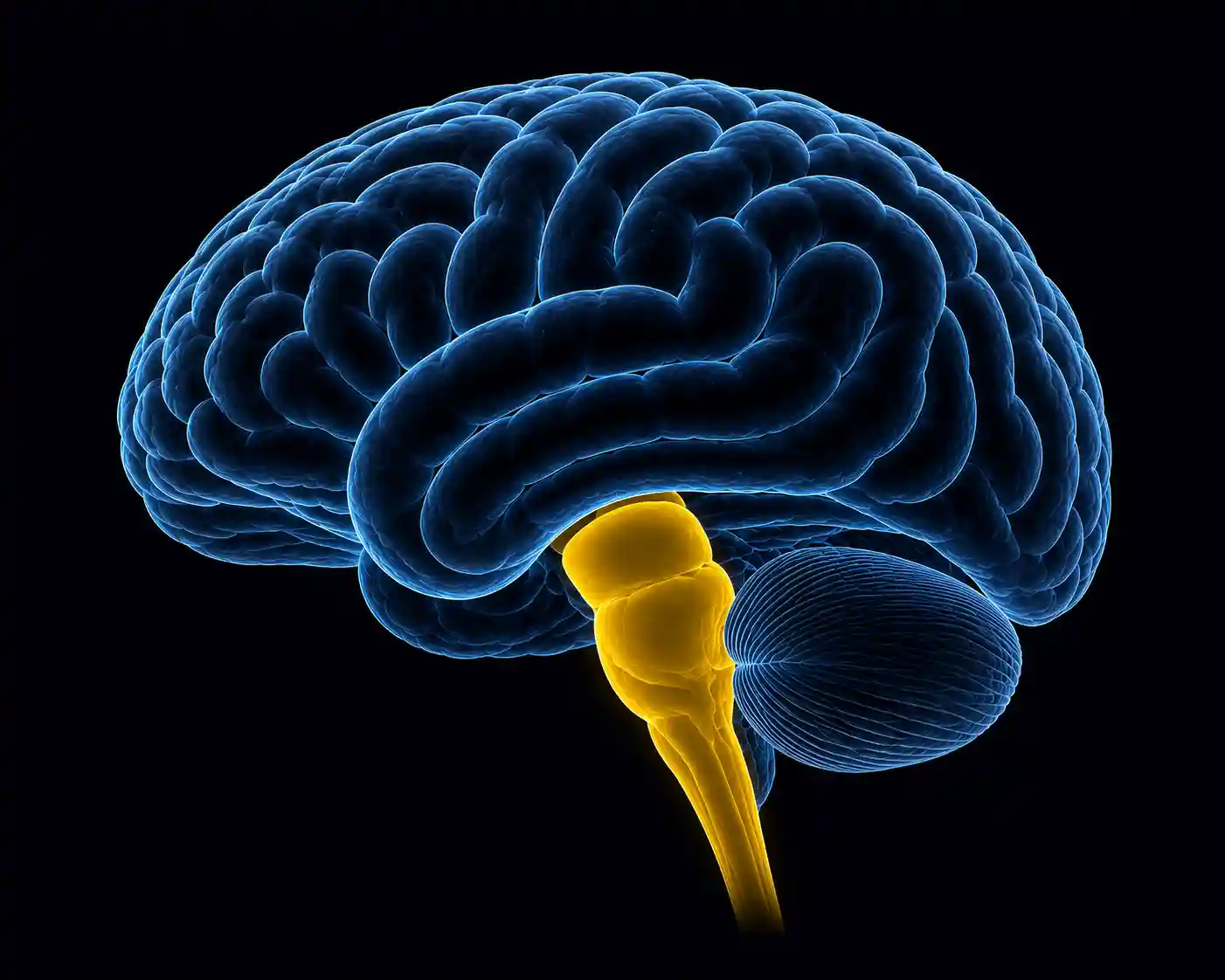
The brain stem connects the brain to the spinal cord and controls the most fundamental life-sustaining functions. It regulates breathing, heart rate, blood pressure, and sleep cycles, and serves as a conduit for signals between the brain and the rest of the body.
Read full article →
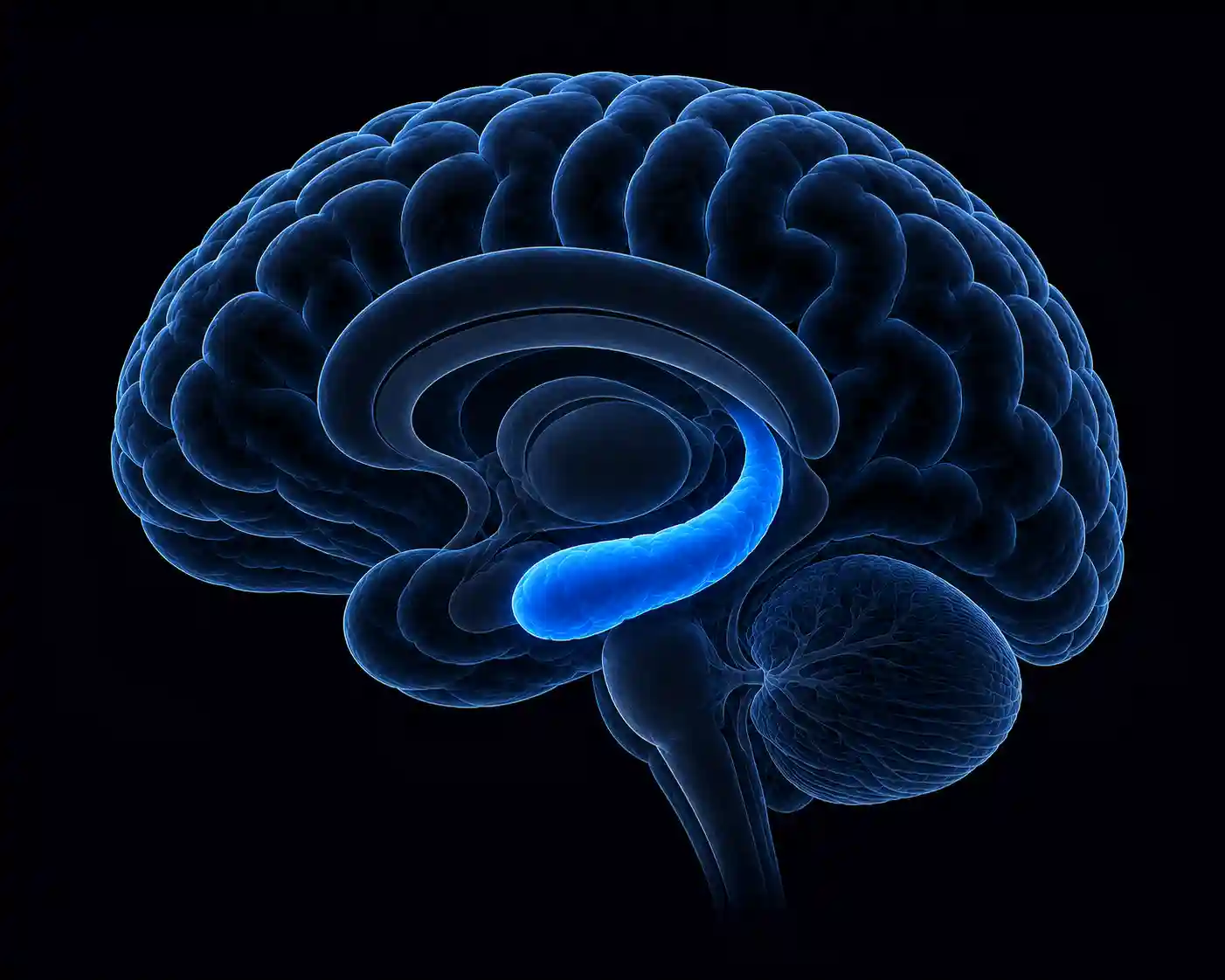
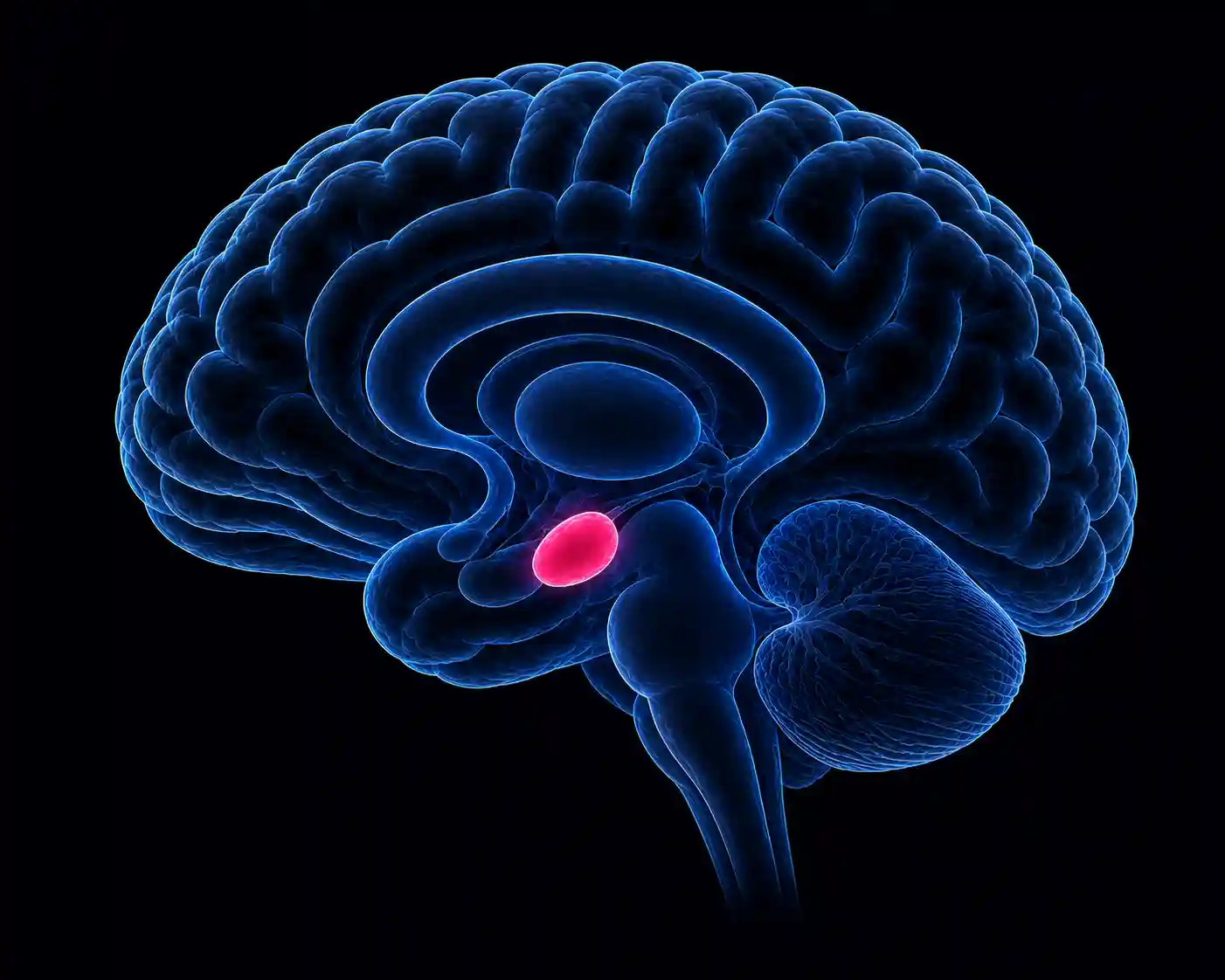
Hippocampus
Limbic System
Hippocampus
Named for its seahorse-like shape, the hippocampus is crucial for forming new memories and converting short-term memories into long-term storage. It also plays an important role in spatial navigation and the cognitive map of our environment.
Read full article →
Amygdala
Limbic System
Amygdala
The amygdala is an almond-shaped cluster of nuclei deep within the temporal lobe. It is the emotional hub of the brain - processing fear, aggression, pleasure, and emotional memory. It triggers the body's 'fight-or-flight' response when danger is perceived.
Read full article →
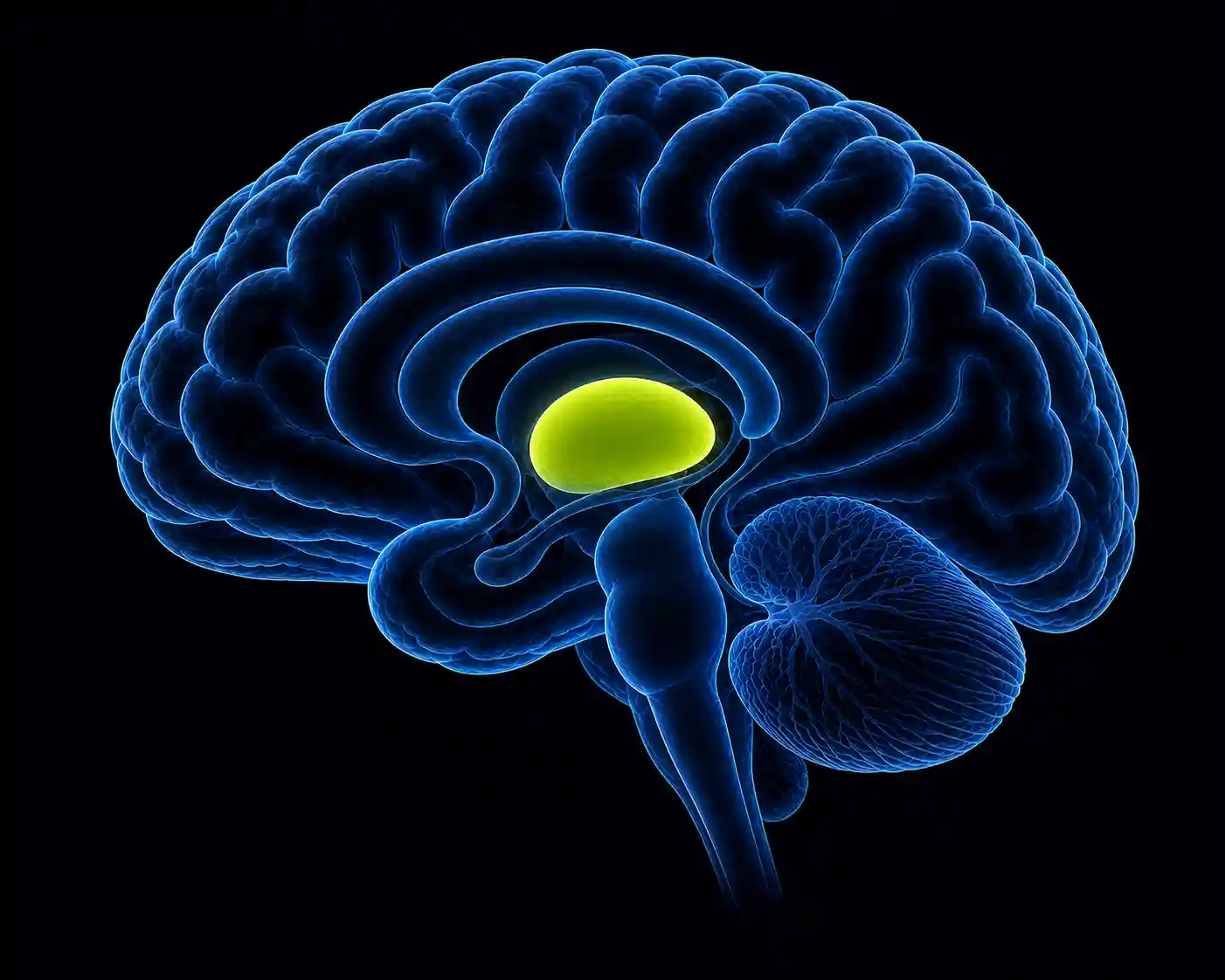
Thalamus
Diencephalon
Thalamus
The thalamus is a small, egg-shaped structure sitting atop the brain stem at the center of the brain. It acts as the brain's central relay station, routing nearly all sensory and motor signals - except smell - to the appropriate areas of the cerebral cortex for processing.
Read full article →
Corpus Callosum
White Matter
Corpus Callosum
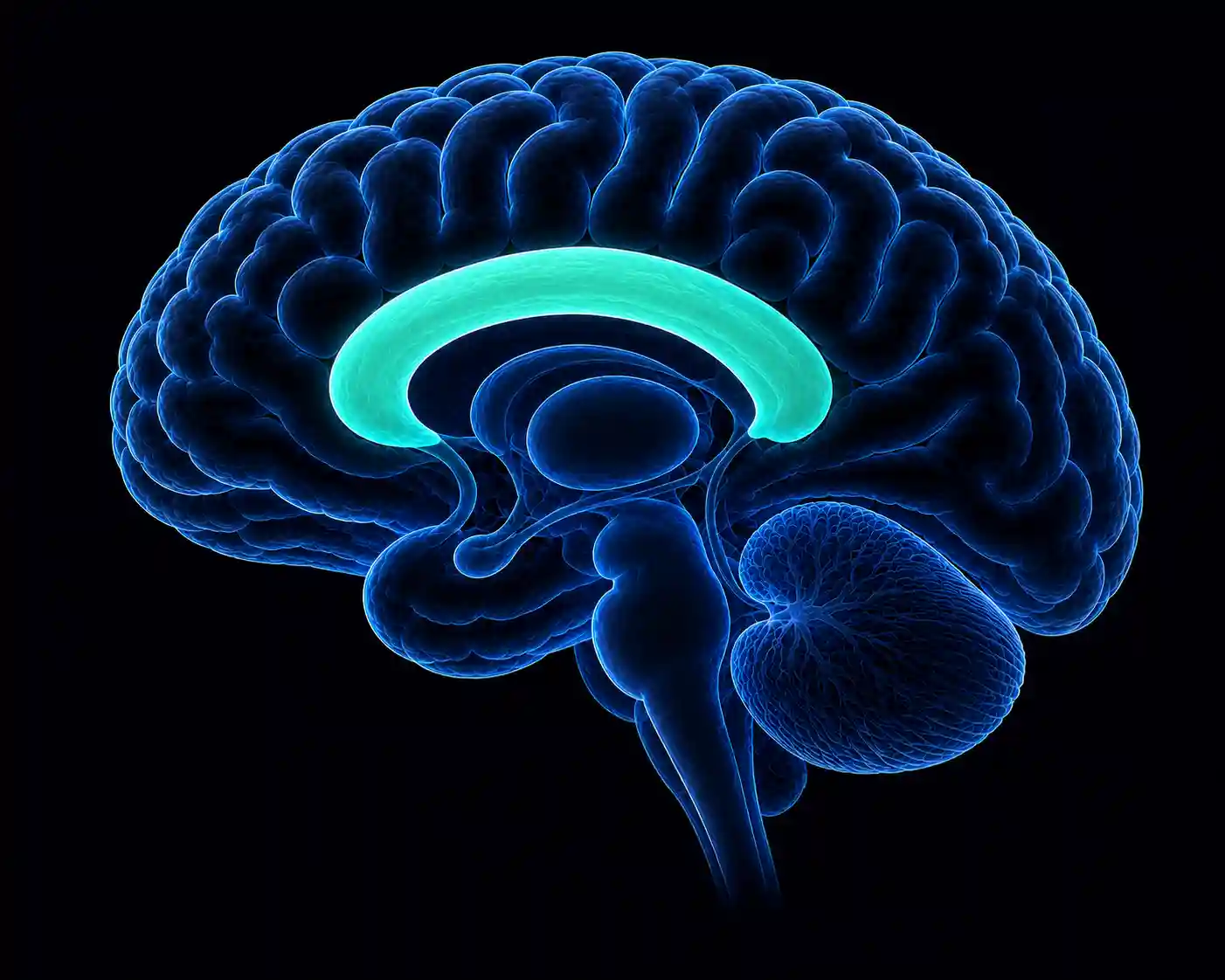
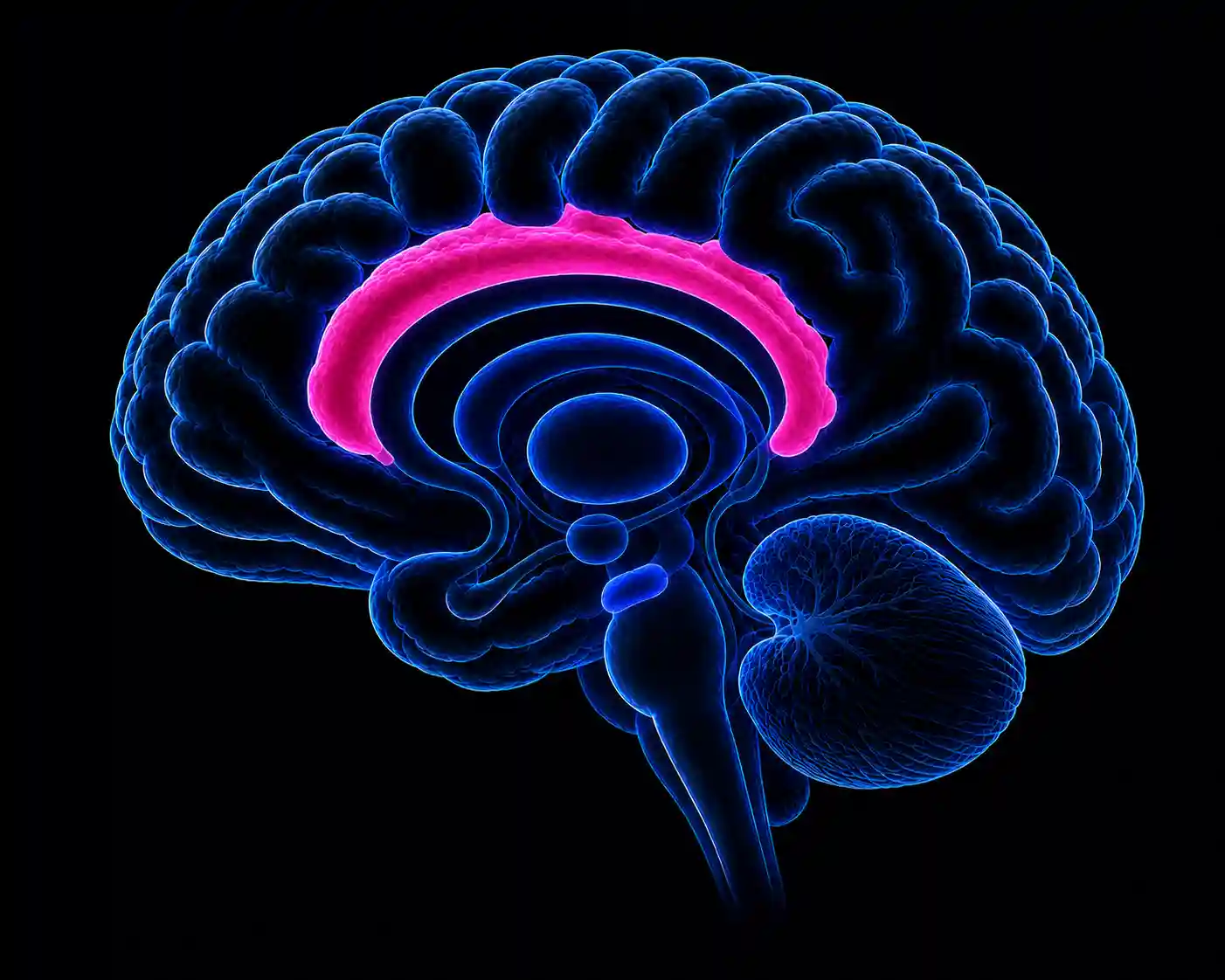
The corpus callosum is a dense band of roughly 200 million nerve fibres that forms the brain's primary bridge between the left and right hemispheres. It allows the two sides of the brain to share information and coordinate activity in real time.
Read full article →
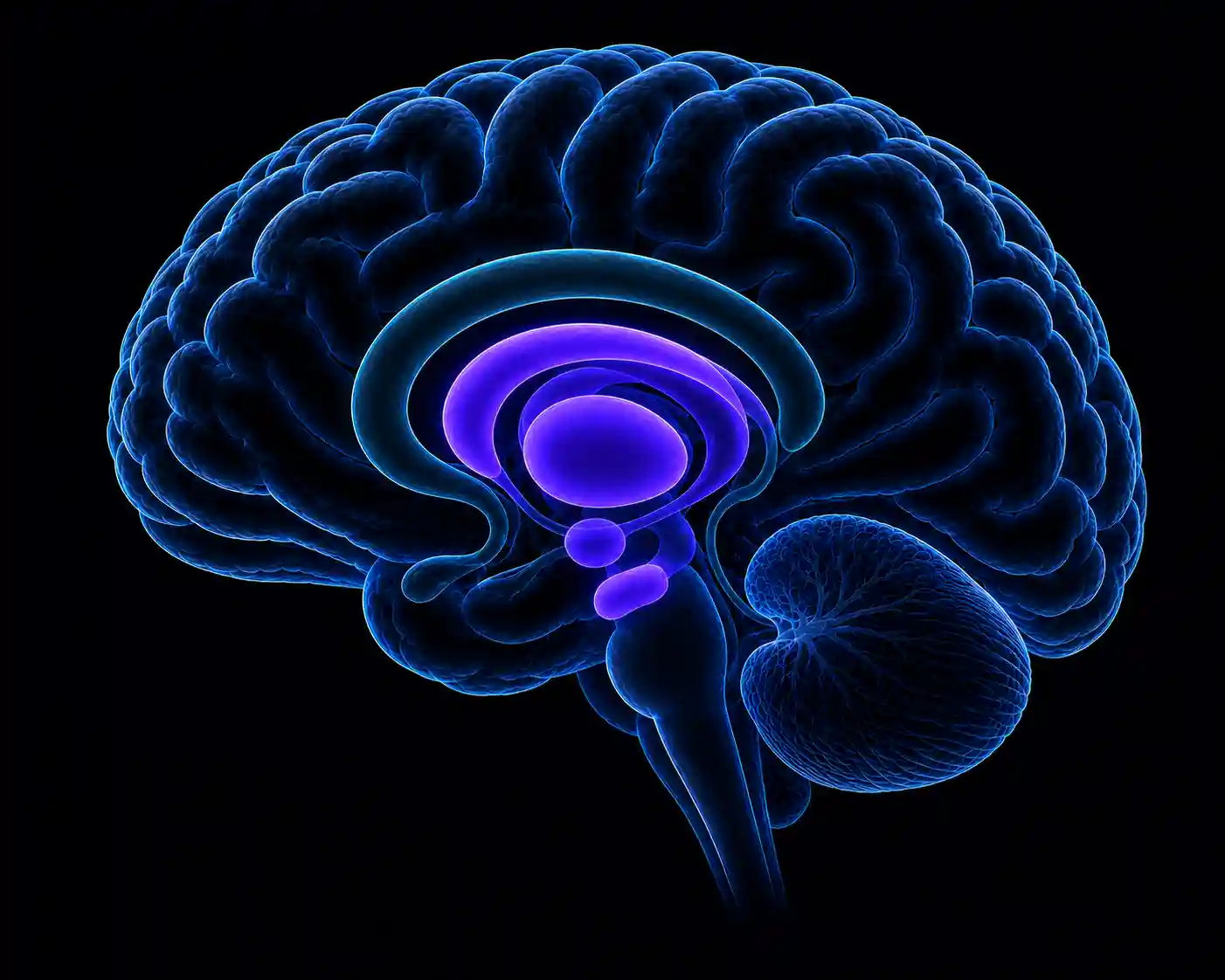
Basal Ganglia
Subcortical Nuclei
Basal Ganglia
The basal ganglia are a group of interconnected nuclei buried deep within the cerebrum, working closely with the motor cortex and thalamus to initiate, scale, and smooth voluntary movement. They also contribute to habit formation and reward-based learning.
Read full article →
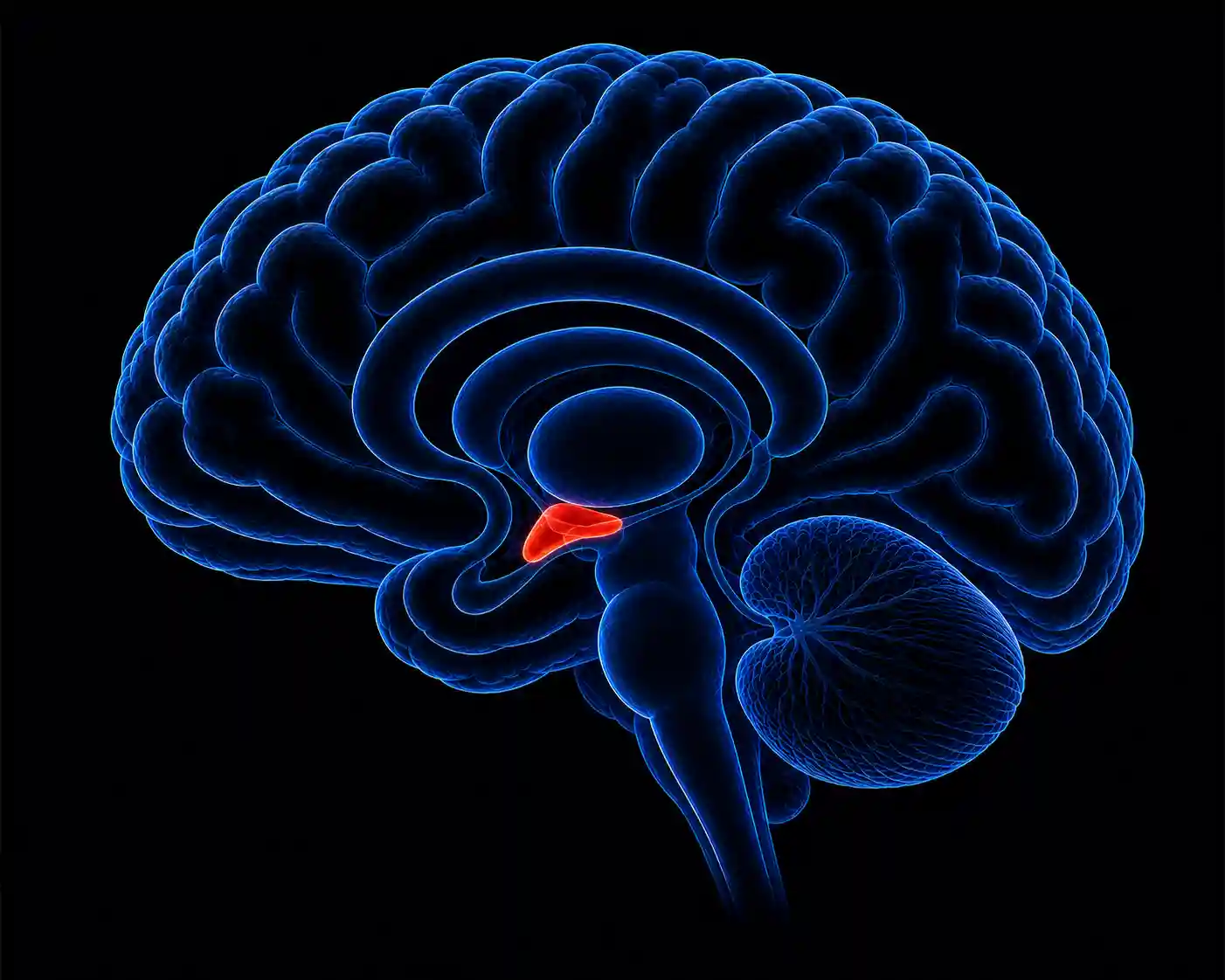
Hypothalamus
Diencephalon
Hypothalamus
A small but critical structure sitting just below the thalamus, the hypothalamus maintains the body's internal balance - regulating temperature, hunger, thirst, and sleep, and controlling the release of hormones that direct much of the rest of the endocrine system.
Read full article →
Insula
Cerebral Cortex
Insula
Tucked out of sight within the lateral sulcus, folded beneath the frontal, temporal, and parietal lobes, the insula integrates signals from inside the body - heartbeat, breathing, gut sensations - with emotional and social awareness.
Read full article →
Cingulate Cortex
Limbic System
Cingulate Cortex
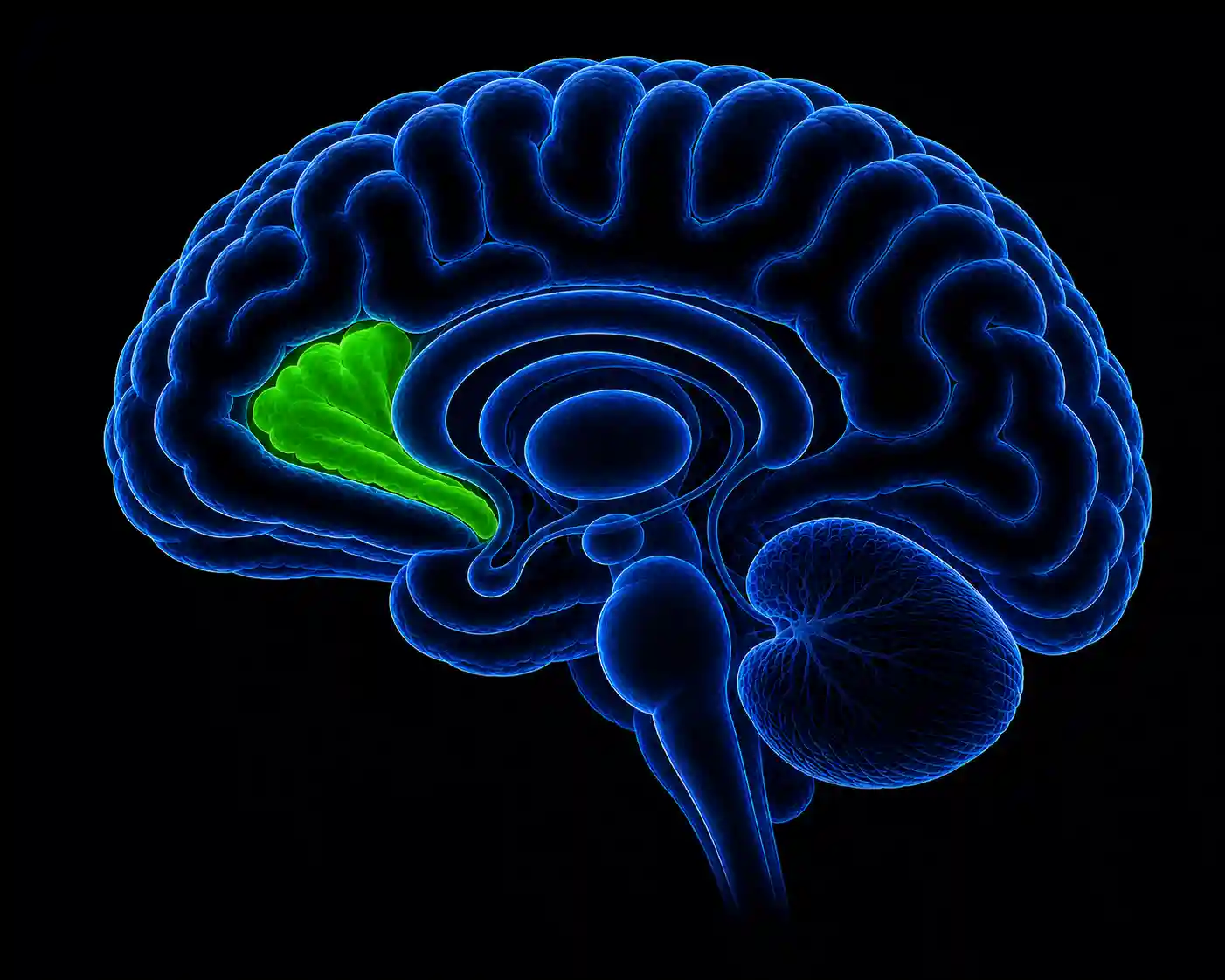
Curving along the inner surface of the brain directly above the corpus callosum, the cingulate cortex links the brain's emotional and cognitive systems - monitoring conflict, regulating emotional responses, and helping direct attention toward what matters most.
Read full article →